
WhatsApp Image 2025-11-29 at 01.23.41_ec12c25b

Pursuing a Career in Cybersecurity

How to get a job in cybersecurity: 4 paths to follow How to break into the cybersecurity field Cybersecurity jobs market booms as pandemic ‘turns everything digital’ What is zero trust? A model for more effective security The 5 best cybersecurity tips for businesses in 2021 Show More .

Yet demand for those with the skills to secure systems has soared in 2025, there will be half a million job openings in the US for this field just 24 seeking software developers and fewer than one third software developers. With more and more organizations, and individuals, dependent on digital systems, security is increasingly important. Cyber-attacks are on the rise In 2023, the FBI received more than 880,000 complaints of internet crimes with a loss around 12.5 billion. Bureau of Labor Statistics predicts job growth for roles in information security from 2023 through 33, which is far faster than the national average. The U.S. These trends make now a great time to pursue careers in cybersecurity.

Key Cybersecurity Career Paths

Under some of the most popular paths the cybersecurity field offers a range of parts, each concentrating on different features of security.

Penetration Tester (Ethical Hacker)

They employ the same tactics as criminal hackers, including network scanning, password cracking, and social engineering testing but they work within the law and with authorization. According to Coursera, penetration testers carry out simulated cyberattacks against an organization’s computer systems and networks to uncover security weaknesses. A penetration tester, or pen tester, attempts to simulate a real-world cyber attack on an organization s computer and information systems in order to uncover potential targets that attackers could exploit. The pen tester will document all findings, issue reports on shortcomings, and suggest fixes. Must-have skills: Networking, Python programming, BASH, and legacy stuff Knowledge of at least a few security tools.These professionals might have an in-house position or work for a security consulting company such as CyberDefenseAssoicates.com — there s also always the possibility to become independent. Pen testers often begin as entry level IT or security employees and later specialize in offensive testing. Kali Linux, Nmap, Burp Suite.

Security Analyst

Tech A security analyst is a front-line defender, and acts as an independent information-security (IS) and physical security consultant to the organization. They watch systems, respond to alerts and look for potential breaches. Role of a security analyst The Security analyst is an indispensable staff, who basically keeps the company’s secret and sensitive information secure, checks for weaknesses in the company’s security systems and designs best practices that organizations need. Lots of people start in help desk or network admin roles and move on to jobs like security engineer or consultant. They also create reports and assist in developing security polices.In practice, analysts configure and review firewalls and intrusion detection systems, perform vulnerability scans, and respond to incidents when alerts occur.

Security Engineer

Security engineers concentration on designing, structure, and preserving the security systems that protect an organization. As Coursera notes, a security engineer is responsible for ensuring a company s security features stay up and running from applying new security tools and architecture to testing incident response plans. On a day to day basis, security engineers might conduct code audits, develop new security features, automate defense, and coordinate responses to any breaches .This role requires strong networking and system administration skills often in cloud environments plus a deep understanding of security controls. Security engineers typically start as analysts or network engineers and then focus on securing those systems as they gain experience.

SOC Analyst

They are essentially the first responders to cyber incidents. Exabeam says that SOC analysts contribute by informing us about the threats and making necessary changes to keep an organization safe. They are the first line of defense against cybersecurity incidents. A Security Operations Center analyst works on a dedicated security team with a continuous overview of the organization’s network in order to find possible threats. They spend their days sifting through alerts from tools like SIEMs, checking suspicious activity and helping to contain and remediate threats. This is a good entry level job because an individual gets broad exposure to security tools and incidents, while large problems are handled by senior engineers. They spend their days sifting through alerts from tools like SIEMs, investigating suspicious activity, and assisting in the containment and remediation of threats. Larger teams also delineate SOC analysts into levels of experience Level 1 does triaging; Level 2 performs deeper analysis ; and Level 3 handles the most complex incidents .

Cybersecurity Consultant

They conduct risk assessments and implement security strategies. Primarily, a cybersecurity consultant is supposed to analyze an organization’s system and network for vulnerabilities and propose remedies. A cybersecurity consultant provides invaluable services to organizations in finding and reducing security risks. Cybersecurity consultants may work with numerous clients or within large corporations to assess and enhance security. This normally entails security testing, development of security solutions like firewalls or encryption techniques, and assisting in the implementation of policies and procedures for incident response .Consultants often bring wide experiences in many areas and may be variously certified. They also instruct non-technical staff about best practices and may work with different teams during a security incident. This career fits people who like variety and advising others.

Important Cybersecurity Certifications

Earning recognized certifications can boost your credibility and job prospects . Three key certifications are

Certified Ethical Hacker CEH

Candidates learn to think like attackers while following legal and ethical guidelines . The CEH cert offered by EC Council validates knowledge of common hacking techniques and tools . To qualify for the CEH exam , you typically need 2 years of information security work experience or attend an official EC Council training course . The exam covers topics such as network scanning , vulnerability assessment , system hacking , social engineering , and cryptography .The CEH exam itself is 125 multiple choice questions in 4 hours. This credential is considered entry level in the sense that it is often the first hacking focused cert a professional earns. Note CEH must be renewed every 3 years via continuing education credits. . Earning CEH shows an employer you can legally use hacking skills to help strengthen security. It is greatest suited for those looking for roles in penetration testing or red teaming, or any position where understanding offensive tactics is valuable.

CISSP (Certified Information Systems Security Professional)

It covers eight domains including risk management, security architecture, asset security, and more. The CISSP, offered by ISC, is a high level, broad security management certification. Unlike entry level certs, CISSP has strict experience requirements candidates must have 5 years of full time security work experience in at least two of the domains one year of experience can be waived with a related degree. Passing it demonstrates that you can design, implement, and manage a best practice security program. The CISSP exam is computer adaptive CAT with 100 150 questions in 3 hours. Consequently, CISSP is aimed at experienced security professionals and leaders. ISC notes that the CISSP is ideal for practitioners, managers, and executives such as security architects, consultants, managers, and CISOs. In short, CISSP is for seasoned security pros who need to show they understand security on a planned, enterprise wide level.

CompTIA Security+ (SY0-601)

The Security exam shelters a range of foundational topics threats attacks, network security, access management, risk management, and cryptography. CompTIA requires no formal prerequisites though they recommend 2 years of IT experience and Network beforehand. Security is a popular vendor neutral cert that establishes core security knowledge. It suits entry level professionals such as help desk techs or junior network admins who want to move into security. The test has up to 90 questions multiple choice and performance based to be completed in 90 minutes, and a passing score of 750 900. Because it covers broad basics, Security is often called the first security certification a beginner should earn. The cert is valid for three years and can be renewed with continuing education Earning Security can help you qualify for roles like Junior Security Analyst or SOC Analyst; it’s valued by many employers including US federal agencies.

Getting Started and Building Your Experience

Here are some actionable steps and resources for those new to cybersecurity, the field may seem daunting. However, many successful professionals began with little formal security background.

  • Learn the Basics

Start by consolidation your general IT foundations recognize how networks, operating systems, and applications work. For example, Coursera offers Google s Cybersecurity Professional Diploma, which covers important skills Linux, Python, SQL, etc. in an accessible format. Free or low cost online courses can teach you these basics. Platforms like Cybrary provide free training labs and videos on security topics. Additionally, hands on learning sites e. g. Udemy and edX also have beginner friendly security courses. Engaging in community forums or watching tutorials on basic topics like firewalls, VPNs, or malware can build confidence. TryHackMe or Hack the Box let you practice real security challenges in a guided way. Even building a home lab old computers or Raspberry Pis for testing is valuable practice.

  • Get Certified (or Prepare for It)

Studying for these exams will force you to cover key security areas systematically. There are many study materials available books, video courses, practice tests. As you learn, consider aiming for an entry level cert like CompTIA Security or the Certified Cybersecurity Analyst CySA. Passing a certification can jump start your resume? For example, the Coursera pentester guide suggests the IBM Cybersecurity Analyst Professional Certificate for structured learning, which also includes hands on labs. Even if you don t take the actual exam yet , the learning path is useful

  • Gain Practical Experience

 If you’re coming from a non IT background, try to enter the field through related roles. Many people start in help desk or network support positions to gain technical experience. Even volunteering for IT tasks, or setting up and securing your own network at home, counts as experience. Participating in Capture the Flag races or security clubs can also bolster your skills and resume. Look for internships or junior roles that touch safety junior analyst, network technician, and junior sysadmin. Once in a job, volunteer to take on security related tasks monitor logs, update patches, write up incident reports. Every bit of hands on work helps you build a portfolio of skills

  • Entry-Level Roles

Common first jobs include Security Analyst, SOC Analyst, Security Administrator, or IT Support with a security focus. As one career guide notes, typical entry level titles include associate cybersecurity analyst, SOC analyst, and risk analyst. These positions will typically require a bachelor s degree in IT or related field, plus some basic IT experience or certifications. In these roles you will learn by doing for example, monitoring alerts in a SOC or assisting with vulnerability scans and can gradually take on more complex tasks.

  • Networking and Mentorship

Attending conferences or virtual events even as a student supports you hear from specialists and make networks Join cybersecurity groups forums, meetups, LinkedIn groups. Networking can lead to mentorship or job leads.

  • Salaries and Expectations

Entry level salaries vary by site and role, but you can expect roughly 50,000 90,000 per year in the Leadership roles e.g. For example, Glassdoor reports a usual base of about 105,000 for cybersecurity analysts. For junior cybersecurity positions. As you gain knowledge and guarantees, salaries can rise quickly. Mid-career and particular roles often range from 75,000 to 150,000. By building solid fundamentals, earning key certifications, and gaining practical experience even in minor ways, you can break into the field. Remember that geographic region makes a big change big tech hubs or money centers typically pay more but also have higher living costs

Overall, cybersecurity careers prize continuous education and curiosity. CISO can command 150K 300K or extra. The growing demand means that motivated beginners even without a perfect background have a real chance to launch a long term, well-paying career defensive against cyber pressures
IMG-20251130-WA0001

Incident Response & Recovery

Whether you are establishing a security program from scratch or enhancing one, this article will guide you to prepare, respond, and recover effectively. This guide breaks down incident response and recovery in language that demonstrates how to create an effective plan and provides real-life examples along with actionable steps that anyone can implement. Incident Response Recovery A Practical Guide for Teams Cyber events ranging from phishing attacks and malware infections to ransomware are no longer a question of if but when. Companies require a defined, rehearsed strategy to respond swiftly, minimize harm, and resume regular functioning. The objective is to recognize, confine, and eliminate the danger, all while safeguarding evidence and reducing the impact on business operations. Incident response (IR) Incident response refers to the collection of measures an organization undertakes right after discovering a security breach.

What is incident response recovery?

Incident recovery Recovery is centered on bringing systems and services to their usual functioning after containment and cleanup. Both stages belong to a lifecycle: prepare, detect, respond, recover, and learn. It also involves verifying systems, retrieving data from backups, and enhancing protections to avoid incidents. A real-world instance is the 2017 WannaCry ransomware attack, which impacted thousands of organizations worldwide. Prompt, synchronized efforts can distinguish a minor interruption from a prolonged outage lasting some weeks.

Why Does Incident Response Recovery Matter?

A managed incident response minimizes downtime, safeguards customer information, maintains reputation, and curtails regulatory and financial consequences. This incident serves as a notice that being prepared is vital. Organizations that had confirmed holdups and used network subdivision regained functionality more rapidly than those that hadn’t.

Core Elements of an Incident Response Plan Preparation

The crucial phase is preparation.

Roles and tasks Clear projects for the incident commander, communications lead, forensic lead, IT recovery, legal, and HR.

Communication plan Internal and external communication patterns and when to alert customers and regulators.

It comprises Policies and playbooks Printed procedures for common incident types: ransomware, data breach, and DDoS. .

Training: Conducting training sessions and simulated tabletop drills to guarantee the team is familiar with the plan.

A brief paragraph illustration designates a senior individual as the incident commander. Permissions Gathering logs, EDR endpoint detection and response backup solutions, and protected communication pathways. Accelerates decision-making. This minimizes confusion.

Detection Analysis

Identification depends on surveillance and notifications. Essential stages

Identify Confirm whether the alert represents an incident.

Prioritize Assess commercial impact and danger.

Scope Identify impacted systems, categories of data, and user profiles.

Rapid and precise examination aids in defining whether containment needs to be pressing or targeted.

Containment, Eradication, Recovery

Containment’s goal is to prevent expansion. Utilize timestamps, logs, and forensic pictures to reconstruct the order of events. Available methods consist of:

Immediate containment Disconnect impacted devices from the network. Elimination eliminates the risk of removing malware, shutting down breached accounts, installing updates, and strengthening settings.

Long-term containment Implement solutions while preparing for complete correction.

Update playbooks and controls. Recovery reinstates functions reconstruct systems using pristine images recover data from backups Verify accuracy and observe carefully once systems are reactivated.

Post-Event Actions Insights

Gained After recovery, hold a formal review Record the events, underlying cause, sequence of events, and choices made.

Implement permanent fixes and measure improvements.

This phase transforms incidents into chances for enhancement.

Share findings with leadership and relevant teams.

Common roles Incident Commander Oversees response efforts and makes decisions. The technical response lead achieves containment and remediation.

Team Structure Roles

  • A defined team minimizes disorder.
  • Forensics Analyst Gathers and analyzes evidence.
  • Communications lead holders messaging to staff, customers, and regulators.
  • Legal Compliance Advises on notifications and regulatory steps.
  • Business owners offer context. Authorize recovery priorities.
  • In organizations a single individual might handle several roles.
  • Identify EDR announcements indicating file encryption action on a file server.
  • The crucial aspect is that every duty has a designated owner.

Practical Playbook Step-by-Step Example

 1.  Validate Establish ransomware presence through example examination or vendor category.

2. Communicate: Inform the incident commander and IT leadership.

3. Isolate Disconnect the server from the network, but keep it power driven for forensics.

4. Contain and block malicious IPs, reset compromised credentials, and apply endpoint isolation.

5. Eradicate Remove malware, apply patches, and harden services.

6. Recover Retrieve files from confirmed backups; verify integrity prior to reconnecting.

7. Concise bullet points maintain clarity.

Follow up Run a root cause analysis and update backup and patching policies.

Tools Best Practices

  • Siem Consolidated logs assist in identifying behavior.
  • Ensure steps are actionable for responders.
  • EDR Network Detection Endpoint and network telemetry speed detection. Immutable Backups Defend backups from tampering with air-gapped or write-once storage.
  • Segmentation limits side-to-side mobility within the network.
  • Multi-factor Authentication (MFA) Reduces risk from credential theft.
  • Consistent patch management ensures known safety gaps are sealed.
  • Applying these controls incrementally provides strong security gains. Tabletop Exercises Simulated incidents to practice organization and decision-making.

Real-Life Examples

WannaCry 2017 Targeted Windows systems without updates. Entities with patching protocols and backup resolutions experienced earlier recovery.

The Colonial Pipeline 2021 ransomware attack led to the shutdown of a fuel tube.

Every event highlights one or several lessons: implement patches promptly and divide networks.

Healthcare breaches Services employing segmented networks and regularly testing backups were able to resume services rapidly and minimize interruptions in patient care.

The company paid a ransom and subsequently restored its systems; this incident highlights the consequences of cyberattacks and the importance of resilience.

Measuring Success Key

  1. Metrics Monitor indicators to enhance preparedness Mean Time to Detect (MTTD) is the duration required to recognize an incident. Verify recovery.
  2. Mean Time to Respond MTTR How long to contain and remediate .
  3. Count of incidents by category Assists in prioritizing controls. Recovery Time Objective RTO and Recovery Point Objective RPO are business targets for downtime and data loss .
  4. Tabletop occurrence and achievement ratio Indicates readiness. By having a clear strategy , clear responsibilities , appropriate tools , and consistent training , organizations can identify threats more quickly , limit harm , and resume functions with minimal interruption . Response and recovery form crucial components of contemporary cybersecurity.

Use simple dashboards to monitor trends and communicate progress.

Begin with preparations, like playbooks, backups, and tabletop drills, and refine after every incident. The aim is not flawlessness but readiness, responsiveness, and durability. By treating incident response as a continuous process prepare, detect, respond, recover, and learn you turn stressful events into manageable operations and protect your organization’s people, data, and reputation.

WhatsApp Image 2025-11-28 at 12.46.16 AM

Cybersecurity Awareness & Tips:

How to Stay Safe from Phishing Emails (Easy Guide for the General Public)

Phishing emails rank among the systems attackers use to deceive persons online. They appear authentic, generate a sense of urgency, and request passwords, funds, or personal information. For individual students, parents, small business owners, and seniors—just one click can result in theft, fraud, or identity abuse.

This guide describes, in simple language, how phishing operates and offers straightforward actionable advice you can implement immediately to safeguard yourself. No prior technical knowledge is required. Use these recommendations to enhance your cybersecurity understanding, secure your accounts, and remain safer on the internet.


What Is Phishing?

Phishing constitutes a variety of cyber fraud. Cybercriminals distribute emails, texts, or URLs that seem to originate from reliable organizations, financial institutions, or acquaintances. Their objective is to trick you into:

•             Click a malicious link

•             Enter login details on a fake website

•             Download a harmful file

•             Share personal information like your ID or credit card

Phishing may also occur via SMS (referred to as smishing) or telephone calls (known as vishing). While the techniques vary, the objective remains identical: to deceive an individual into performing an act.


The Reasons Behind Phishing Success

Phishing is effective because criminals imitate logos, employ credible wording, and induce fear. A notification stating “Your account will be closed today” prompts individuals to react quickly without verifying.

The risks involved are

•             Financial loss

•             Stolen identity

•             Account takeover (email, social media, bank)

•             Malware or ransomware infections

Real-world case:

A minor online vendor received an email stating their payment account had been postponed. The message appeared legitimate. Requested a login. Upon submitting their credentials, the attacker drained the vendor’s account. The expense of recovery and damaged trust exceeded the theft.


How to Know a Phishing Email

Identifying phishing efforts is usually straightforward when you apply humble reviews:

Check the Sender Carefully

Focus on the email address itself, not the display name. Cybercriminals use addresses that resemble ones but have minor variations.

Watch for Urgent or Threatening Language

Expressions such as “Take action,” “Your account is about to be closed,” or “Last notice” frequently appear in phishing attempts. Genuine companies seldom require responses through email.

Look for Spelling and Grammar Errors

Official emails tend to be composed. Numerous phishing emails include phrasing or typographical errors.

Hover Over Links (Don’t Click)

Place your arrow (or press and hold on a device) over links to expose the real URL. If the link appears suspicious or does not correspond to the company’s site, avoid clicking it.

Be Wary of Attachments

Unanticipated attachments (.exe, .zip, or even Office documents) might harbor malware. Open attachments from reliable senders.


Practical Steps to Stay Safe Right Now

These simple practical steps can be taken by everyone:

1. Use Strong, Unique Passwords

Generate passwords merging letters, digits, and special characters. Avoid using the password on several websites. If recalling them proves difficult, rely on a password manager.

2. Turn On Two-Factor Verification

Two-factor verification introduces a step (such as a code delivered to your phone) during login. Even if hackers obtain your password, 2FA can prevent access.

3. Keep Software Updated

Apply updates to your phone, computer, browser, and applications. Updates regularly resolve security weaknesses exploited by attackers.

4. Avoid Public Wi-Fi for Complex Tasks

Public Wi-Fi may not be safe. If you need to use it, make sure to access a VPN before signing into your banking or complex accounts.

5. Verify Requests by Contacting the Company Directly

If you receive an email requesting you to confirm your bank details or update a password, use your browser to navigate to the company’s official site or contact their customer service by phone.

6. Use Email and Security Tools

The popular email providers include spam filters and phishing defense. Employ trusted antivirus software. Endpoint security solutions on your gadgets.

7. Back Up Important Data

Maintain copies of vital files offline or within cloud platforms. In the event of a ransomware attack, these holdups enable you to improve your files without having to pay the committers.


Stages to Take If You Believe You Have Been Targeted by a Phishing Scam

If you followed a link or distributed information, respond promptly:

1. Update passwords for the impacted account, along with any accounts utilizing the identical password.

2. Activate 2FA on accounts where it’s available.

3. Get in touch with your bank if you have provided details. Inform them of any transactions right away.

4. Run a malware scan on your device with efficient antivirus software.

5. Inform your email service worker and the legitimate company being impersonated about the phishing email. Numerous companies have proposal reportage email addresses.

6. Think about credit monitoring if your identity details (such as your ID number) were disclosed.

Real-world example: Following the click on a phishing link, an employee observed a login alert. Since the organization mandated 2FA, the intruder was unable to gain access. The employee promptly reported the incident, and IT quarantined the device. Swift response averted data breach.


Tips for Parents and Seniors

• Instruct children to avoid clicking on links or accepting friend requests from unknown people.

• Set up parental controls and explain phishing in simple terms.

• Assist individuals in establishing 2FA and creating robust passwords. Fraudsters frequently focus on seniors through phone calls and emails.


Brief To-Do List You Can Print or Store

•             Check sender email address

•             Hover over links before clicking

•             Avoid opening attachments you weren’t expecting

•             Use strong, unique passwords

•             Enable 2FA on accounts

•             Keep devices and apps updated

•             Refrain from using Wi-Fi networks, for personal banking activities

•             Backup important files regularly

•             Report suspicious emails to your provider


Conclusion

Phishing emails continue to be a cybersecurity threat, yet they can be prevented. By adopting practices such as verifying senders, creating robust passwords, activating 2FA, and confirming requests, you can protect yourself significantly online. Share these rules with family and friends; cybersecurity awareness grows as persons exchange data.

Start with one change today: enable two-factor verification on your most important account. Small stages like that add up to big defense. If you want printable leaders or a checklist arranged for your family or workroom, I can generate one for you.

ChatGPT Image Dec 4, 2025, 04_28_41 PM

Smartphones & Gadgets

  1. Top reasonable smartphones under $500 in 2025

The mobilephone market in 2025 is full of sensations. You don’t ought to spend over $1,000 to get solid performance, 5G connectivity, and amazing cameras. Several brands are offering extremely good price for below $500 and the competition has pushed even the top rate manufacturers to improve their mid-range options.

Best Budget Choices

Samsung Galaxy A56 This smartphone feels top rate without the premium fee. It capabilities a 120Hz AMOLED show, a 50MP main digital camera, and Samsung’s dependable software updates for as much as four years.

Google Pixel 8a Known for its amazing AI-powered digital camera, Pixel 8a captures seasoned-degree pictures with minimal attempt. It additionally runs on Google’s Tensor chip for better picture processing and live translation capabilities.

Realme 12 Pro Eye-catching design with curved edges, speedy charging, and a brilliant display. It’s a really perfect desire for users who want both fashion and strength.

Redmi Note 14 Pro Excellent for gaming and multitasking, it offers strong overall performance and easy visuals for its fee.

Infinix Zero Ultra 5G With its 200MP digital camera and 180W fast charging, it offers features usually seen in flagship phones.
Flagship Highlights for Comparison

If you’re snooping how these stacks up against pinnacle-tier phones, here’s a short look:

Samsung Galaxy S26 Ultra comes with a current AI digital camera machine, 8K video recording, and S-Pen support. It’s for users who need absolute overall presentation.

IPhone 17 Pro Max leads in video high-quality, battery optimization, and integration with Apple’s atmosphere.

Xiaomi 17 Pro brings flagship power with a fee still decrease than maximum top rate gadgets, supplying a 1-inch sensor camera and HyperOS for smoother multitasking.

The backside lines? The $500 variety now gives you actual energy. But if you may stretch your budget, the flagship models above display how a long way cell innovation has been available 2025.

  1. Android vs iPhone, Which One to Buy This Year?

Every yr, the Android vs iPhone debate heats up and 2025 is not any special. With Android 15 rolling out and Apple’s iOS 19 now smarter than ever, both facets have serious strengths.

Android telephones offer freedom. You can personalize the entirety icons, widgets, themes, and even overall performance modes. This yr’s stars just like the Samsung Galaxy S26 Ultra and Xiaomi 17 Pro show off what Android can genuinely do. The S26 Ultra has an unequalled zoom digital camera and faster S Pen reaction, whilst Xiaomi’s flagship gives you pinnacle-tier hardware with a miles decrease fee tag.

IPhone 17 Pro Max, however, makes a speciality of stability and environment integration. Apple’s A19 Bionic chip and new AI-driven camera make it one of the fastest and maximum efficient smartphones ever constructed. Battery life is better, Face ID is faster, and its video satisfactory remains unbeatable.

So, which one should you buying?

Go for Android in case you need customization, 120Hz AMOLED screens, faster charging, and better litheness with apps.

Go for iPhone if you need assured updates, tight privacy, and long-term reliability.

Both structures are at their fine this year. It’s not approximately which is higher general it’s about which fits your lifestyle and how you operate your smartphone.


  1. Best Smartwatches That Make Your Life Easier

In 2025, smartwatches have become greater clever than ever. They don’t simply track your steps they track your strain, come across irregular heartbeats, and supply AI-powered health recommendation. Here are the pinnacle selections this year:

Apple Watch Series 10. Seamlessly connects with the iPhone 17 Pro Max. Its new AI Health Coach gives personalized wellbeing suggestions and adaptive exercise plans.

Samsung Galaxy Watch 7.The ideal partner for Galaxy S26 Ultra customers. It video display units blood strain, ECG, and sleep with great accuracy.

Xiaomi Watch S3 Pro Designed to pair beautifully with the Xiaomi 17 Pro. It gives notable battery lifestyles and clever fitness monitoring at a decrease value.

Amazfit Balance Still the first-rate choice for finances shoppers, balancing overall performance, style, and -week battery existence.

Google Pixel Watch 2 Focuses on Fitbit’s precision monitoring and integrates easily with Android 15 devices.

These smartwatches don’t just tell time they make your every day routine less complicated. Whether it’s dealing with notifications, answering calls, or monitoring your fitness, every one brings fitness and comfort right on your wrist.

  1. Hidden Smartphone Features You Probably Didn’t Know

Even in case you personal a flagship just like the iPhone 17 Pro Max or Samsung Galaxy S26 Ultra, chances are you’re not the usage of all of the features your telephone gives. Here are a few hidden gemstones that could make your existence less complicated:

On Android:

Try Gesture Shortcuts swipe down at the back to take screenshots or open the digital camera right away.

Use AI Wallpaper Creator on Samsung and Xiaomi phones to layout personalized backgrounds out of your pix.

Turn on One-Hand Mode for simpler navigation on huge screens like the S26 Ultra.

Battery Protection Mode helps extend battery existence with the aid of limiting complete charging overnight.

On iPhone:

Double-faucet the returned of your iPhone to cause actions like screenshots or starting apps (Settings → Accessibility → Touch → Back Tap).

Use Live Text to copy textual content without delay from snap shots or screenshots.

The new Reserve Mode in iOS 19 turns your iPhone right into a smart display while charging.

Extra Tip:
For all devices use Focus Mode or Do Not Disturb when analyzing or working, and employ voice commands like “Find my telephone” or “Open YouTube” to shop time.

Modern smartphones are filled with equipment you might by no means discover until you explore their settings. Spend a couple of minutes checking hidden alternatives you’ll be amazed at how a lot greater your device can clearly do.


WhatsApp Image 2025-12-04 at 16.17.58_6547c329

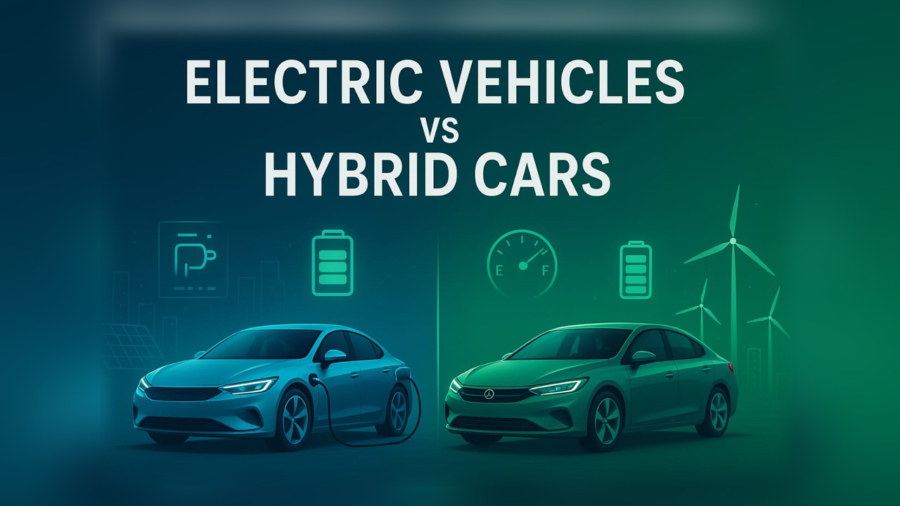
Electric Vehicles (EVs) vs Hybrid Cars

Introduction

Choosing a new car seems more composed than ever. Electric vehicles (EVS) grow rapidly in popularity and an intermediate ground that offers hybrid cars, many buyers ask: which makes more understanding of the next five years? Honest answer: It depends on. All cases of your driving habits, your budget, local charging and fuel infrastructure and priorities (costs versus the environment). This article breaks main areas – cost, maintenance, battery life, charging, environmental impact, government policy and market trends – so you can make a clear, practical alternative.

Head-to-head comparison — EVs vs Hybrids

1) Purchase cost and total cost of ownership (TCO)

Evs

• In advance price: Generally comparable hybrid and combustion cars, especially for long-distance models.

• Running cost: Charging per kilometer per kilometer per kilometer is often cheaper than gasoline per kilometer, especially if you pay at home during PAKH hours. The prices of electricity affect instability and time use.

• Incentive: Many places provide tax credit, discount or registration benefits for EV – they can significantly reduce effective procurement costs.

Hybrid

• In advance price: usually less than full, but more than basic petrol cars. Plug-in hybrids sit between hybrid and EVS in the price.

• Running costs: Hybrid fuel economy is better than pure petrol cars, and PHEV can drive many small trips on electricity. But long highways depend on gasoline, which increases costs.

• Insentives: Less incentives than full EVs, although some areas still provide benefits for low -emission hybrids.

Takeaway: In more than 3-5 years, TCO can favor EVs in areas with cheap power, strong encouragement and low-effect carbon intensity. Hybrids often offer low -flow costs and more predicted fuel options if charging infrastructure is limited.

2) Maintenance and reliability

Evs:

• Low moving parts: No oil change, no time belt, low liquid and simple powertrain. This means less regular maintenance costs.

• Use objects: brakes (often lasts longer due to regenerative braking), tires, suspensions and cabin products remain.

• Software and electronics: Modern EV -er chairs too much on software – updates and current electronic fixes can be part of the maintenance.

Hybrid:

• More complex powertrains: Hybrid combines an electric components combustion engine, so there are several systems to maintain.

• Diversity of maintenance: They still require oil change, cooling system checks and ice-related repairs-yourself about many hybrid systems are engineers for long life.

• Long time cost: Depending on use, hybrid maintenance costs may be higher than EV -but can be reduced by clean ice cream cars.

Takeaway: EVS usually wins for low regular maintenance, but can see software and battery -related service costs. Hybrids are reliable, but transmits maintenance of ice.

3) Battery life, replacement and departure

Evs:

• Battery life: Modern EV battery usually maintains useful capacity for many years. Expect gradual decline (a few percent per year depending on use and climate).

• Warranty: Manufacturers usually warranty batteries (eg 8 years or ~ 100,000 miles specific).

• Replacement cost: Replacement of one -time amount can be expensive, although other lifetime and recycling markets are growing, and the cost of compensation is declining.

Hybrid

• Hybrid battery: Small and designed for different stress profiles; They also appear, but can be very durable. PHEV batteries are large and more similar to EV batteries.

• Compensation: Historically, hybrid battery replacement is important for some older models, but today less common.

Takeaway: Both technologies mature. The battery is a cost factor, but the improvement in warranty and recycling/SEC-Life industries reduces long-term risk. For a 5 -year -old window, battery replacement is unlikely for most users.

4) Charge infrastructure versus fuel flexibility

Evs

• Charging at home: The biggest feature if you can install a home charger – good charging gives you a “full tank” every morning.

• Public charging: Level 2 charger is common in urban/residential areas; DC Fast Charger handles long trips, but varies by field in availability and speed.

• Charging time: Slow gas tank compared to fuel. Quick charging reduces the time, but is expensive and provides more stress for the battery.

Hybrid

• Fuel flexibility: Hybrid and PHEV can use gasoline if power charging is not available – it reduces the fear of range.

• Charging (for PHEVs): Short plug-in series (usually 20-60 mi) which owners are good for daily traffic on regular charging.

Takeaway: If you have reliable home charging or public fast charging with the routes you are traveling, it is very practical. If you have a lack of charging access or often make long journeys in areas with sparse charger, giving hybrids or PHEV -er more flexibility.

5) Environmental impact

Evs:

• Telpy emissions: Zero during operation. General emissions depend on the source of electricity – cleaner network means cleaner driving.

• Life -related: production of EVs, especially battery production, originally high emissions, but operating savings over time are usually equalized. Reuse/recycling and cleaner grid improves discharge of life cycle.

Hybrid

• Telpy emissions: IS produces less than cars, but still produces emissions. If most of it is used on power, PHEV shorts can be very clean for daily stations.

• Life cycle: Less battery production effects compared to EVs, but still produces emissions from combustion in regular use.

Takeaway: On the balance, most areas in EVs have an increase in life to reduce greenhouse gas emissions-special where the grid is low carbon or where the owner charges with renewable energy.

6) Government policy and incentives

Many governments lead strict emission rules, areas with low vigilance and incentives to speed up the EV adoption.

Grants, tax credit, discount and non-monetary incentives (HOV access, low registration fee) often favor EVs.

Some fields provide transition incentives for hybrids, but the guidelines are in favor of electrification. Expect the increasing support for increasing regulatory pressure on ice cream cars and increased support for EV infrastructure rolls.

Takeaway: In most major markets, political trends benefit to EV -adoption over the next five years. This can change the total costs, resale values ​​and convenience.

7) future market trends and resale values

• EV model diversity: Increasing price segments each year – cheaper and more skilled models come continuously.

• Resale values: Initial EVs were indefinite resale values, but it is stabilizing because of the market for the market and battery health becomes an understandable factor.

• Hybrid niche: Hybrids remain attractive to buyers and seek infections without anchor, but their long-term market dominance is likely to shrink when the charging network expands and EV prices fall.

Takeaway: If you are planning to use it again in 3-5 years, the demand for the market will bend against EVS in many areas – but issues under local conditions. Hybrids can have value in markets with poor charging coverage.

Practical landscape – which is smart for you?

• You drive <50 miles per day, there is a garage, and charged at home: EV is probably smart alternative – the car’s operating costs, problems with little maintenance and strong environmental benefits.

• You often take long walks in areas with rare fast chargers: a hybrid or plug-in hybrid gives peace of mind and flexibility.

• You need the cheapest option in advance and cannot install a home charger: A traditional hybrid can be a practical choice.

• You prioritize low emissions and have access to renewable or a clean grid: bends against EVS for maximum environmental benefits.

Conclusions and recommendations

Over the next five years, EVS is a smart alternative for most drivers where you have reliable home coupling or growing public charging tights, access to encouragement and relatively low -carbon. They usually win at low operating and maintenance costs, better emission profiles and adaptation to the government’s policy.

However, hybrids are still smart options for drivers who need to guarantee the flexibility of the series today – people living in apartments without charging access or traveling through areas with a lack of reliable fast chargers regularly. Plug-in hybrids (PHEVS) provide a good bridge for many driver-electric first commuting and petrol backup for trips.

My recommendation: If your daily routine allows your home and your area has decent charging infrastructure (or you can charge at work), choose an ev. If not, select Hybrid or PHEV as a practical transitional option, until you recharge access and EV strength is further improved.

OK

The Rise of AI Assistants in 2025

Introduction

By the year 2025, AI assistants have transitioned from being mere futuristic concepts to essential collaborators in professional, educational, and daily environments. Tools like ChatGPT, Gemini AI, and Microsoft Copilot are transforming our systems of writing, researching, coding, communicating, and managing projects. These intelligent answers boost workplace efficiency and offer inventive study systems for students, basically reshaping our methods to learning and working.

This article observes how AI assistants in 2025 are enhancing productivity, the benefits they offer, the challenges they pose, and the potential upcoming landscape of AI in schooling and the factory. How AI Assistants Are Changing Productivity

AI-driven tools are now seamlessly integrated into daily workflows. They empower authorities to protect time, increase correctness, and stay organized.

Key areas where AI assistants excel:

Writing & Editing: ChatGPT and Gemini AI generate reports, draft emails, and polish professional content with a human-like quality.

Research Assistance: AI quickly analyzes large datasets, summarizes articles, and provides trustworthy sources—significantly cutting down research time.

Coding & Development: Microsoft Copilot supports developers by suggesting clean code, correcting errors, and optimizing project builds.

Communication: AI chatbots handle customer inquiries, schedule meetings, and even craft personalized responses.

Project Management: AI tools predict deadlines, intelligently assign tasks, and monitor progress in real-time.

📌 Expert Insight: As productivity consultant Laura Jensen remarks, “AI assistants in 2025 will be like having a digital co-worker. They manage repetitive tasks, enabling humans to focus on creative and strategic thinking.

The Impact of AI on Education

In 2025, students are among the primary beneficiaries of AI study tools. With resources like ChatGPT and Gemini AI, the learning experience has become more engaging and effective.

Practical applications of AI for students include:

• Homework Assistance: ChatGPT simplifies complex ideas into understandable language.

• Essay and Report Composition: AI helps create organized outlines, drafts, and even recommends sources.

• Study Organization: AI develops personalized schedules and revision plans.

• Exam Readiness: Gemini AI produces practice tests and flashcards.

• Language Acquisition: These tools offer immediate translations, grammar corrections, and opportunities for conversational practice.

💡 Example from the Real World: University students are now utilizing Microsoft Copilot to review research articles, condense essential information, and arrange citations in just a few minutes.

Advantages of AI Assistants in 2025

• Time Efficiency: Automates mundane tasks.

• Enhanced Precision: Minimizes human errors in writing, programming, and data entry.

• Customization: Adjusts to user behaviors for more intelligent suggestions.

• Inclusivity: Removes obstacles for learners with disabilities.

• Teamwork: Improves collaboration through shared AI-driven project dashboards.

Obstacles and Issues

Although the leading AI tools for work and education provide significant benefits, they also present challenges:

• Excessive Dependence: Students and professionals may become overly reliant on AI.

• Privacy Concerns: Issues surrounding the storage of sensitive data.

• Bias & Precision: AI-generated outputs might exhibit biases or inaccuracies.

• Skills Deficiency: Critical thinking and problem-solving abilities may diminish if AI handles all tasks.

📌 Expert Insight: Technology ethicist Dr. Amir Malik cautions, “AI assistants are powerful, but they should enhance—not substitute—human judgment.”

The Future of AI in Education and Work

Looking forward, AI assistants in 2025 and beyond are set to become increasingly personalized, context-aware, and proactive. We can anticipate:

• Smarter Learning Platforms: AI tutors that adjust in real-time to a student’s progress.

• Workplace Integration: Enhanced collaboration between AI and enterprise software.

• Lifelong Learning Support: AI assisting professionals in upskilling and career advancement.

• Ethical Frameworks: More robust policies on transparency, bias mitigation, and responsible AI application.

Conclusion

The emergence of AI assistants in 2025 signifies a pivotal moment in our work and study practices. Tools such as ChatGPT for students, Gemini AI, and Microsoft Copilot are not merely enhancements they are revolutionizing productivity, collaboration, and education.

For professionals, they represent the top AI tools for work that streamline complex tasks. For learners, they serve as the ultimate AI study hacks 2025 companions. However, the future hinges on achieving balance: leveraging the advantages of AI while confronting its challenges. Those who master effective collaboration with AI will secure a lasting advantage in both education and the workplace.

WhatsApp Image 2025-11-24 at 9.50.28 PM

Top 10 Gadgets in 2025

Introduction

The year 2025 has come, bringing with it a surge of innovative technology gadgets that are smarter, quicker, and more interconnected than ever. From AI-enhanced devices to wearable health technology and AR/VR headsets, these advancements are transforming our lifestyles, work environments, and recreational activities.

In this guide, we will delve into the Top 10 gadgets of 2025—showcasing their features, advantages, and practical applications that make them the must-know trending gadgets for every technology enthusiast.

1. Foldable Smartphones 2.0

Foldable phones have progressed into sleek, robust, and the best tech devices of 2025.

Features: Scratch-resistant flexible glass, 4K displays, multitasking split-screens.

Benefits: Merges the power of a tablet with the portability of a phone.

Impact: Ideal for students and professionals who require productivity while on the move.

💡 Expert Insight: Analysts forecast that foldables will lead the latest gadgets in 2025, with Samsung and Huawei at the forefront of the market.

2. AI-Powered Smartwatches

The next generation of smartwatches transcends mere timekeeping—they serve as portable health devices.

Features: AI-driven health monitoring, stress tracking, and real-time coaching.

Benefits: Assists users in managing sleep, fitness, and overall wellness.

Impact: Extensively utilized by athletes, students, and even healthcare professionals for remote patient monitoring.

3. Augmented Reality (AR) Glasses

AR glasses have transitioned from a futuristic concept to a common reality.

Features: Lightweight construction, real-time navigation capabilities, and immersive experiences for shopping and gaming.

Benefits: Provides hands-free access to vital information.

Impact: Transforming educational environments, workplaces, and entertainment options.

📌 Real-World Example: The AR glasses from Apple and Meta, set to launch in 2025, enable students to engage with 3D lessons, positioning them as one of the most sought-after gadgets of 2025.

4. AI Home Assistants 2.0

In 2025, smart home technology is driven by sophisticated AI.

Features: Automation that is aware of context, control through voice and gestures, and efficient energy management.

Benefits: Saves time, cuts costs, and enhances convenience.

Impact: Homes are now operated by predictive AI systems that foresee user requirements.

5. Portable Health Scanners

Among the innovative gadgets of 2025, handheld health scanners are making significant strides.

Features: Instant glucose monitoring, ECG readings, hydration levels, and oxygen tracking.

Benefits: Provides affordable and accessible healthcare solutions at home.

Impact: Facilitating preventive care for students, professionals, and the elderly.

6. VR Headsets for Everyday Use

Virtual Reality headsets have become compact and budget-friendly.

Features: 8K resolution, wireless connectivity, lightweight design.

Benefits: Engaging learning experiences, fitness activities, and entertainment options.

Impact: Students participate in virtual classes, gamers immerse themselves in hyper-realistic environments, and professionals conduct VR meetings.

7. AI Study Companions

Among the top technological devices in 2025 are AI-driven learning tools.

Features: Customized tutoring, instant essay feedback, multilingual translation capabilities.

Benefits: Assists students in saving time and enhancing productivity.

Impact: Education becomes more accessible, closing learning gaps globally.

8. Smart Rings and Wearables

The advancement of miniaturized technology has resulted in innovative wearables such as smart rings.

Features: Contactless payment options, health tracking, gesture-based control for phones.

Benefits: A lightweight and fashionable alternative to traditional smartwatches.

Impact: Favored by young professionals for its combination of style and functionality.

9. Portable Solar-Powered Chargers

Focusing on sustainability, solar-powered devices are becoming increasingly popular.

Features: Rapid charging capabilities with solar technology, compact and portable designs.

Benefits: Environmentally friendly and dependable in off-grid locations.

Impact: Travelers, students, and outdoor adventurers can always stay powered up.

10. Smart Laptops with AI Integration

The distinction between smartphones and laptops is diminishing. Laptops in 2025 will incorporate AI processors.

Features: Instant translation, automatic summarization of notes, and facial recognition for security.

Benefits: Enhances productivity and fosters creativity.

Impact: Crucial for students, freelancers, and business executives.

WhatsApp Image 2025-10-28 at 19.34.56_1ceaaae8

New Mobile Technology

Introduction

The year 2025 is proving to be a landmark for the mobile industry. With rapid innovations, smartphones are no longer just communication tools—they are becoming powerful hubs for productivity, entertainment, and digital experiences. From 5G and beyond to AI-powered features and foldable designs, the new mobile 2025 launches are redefining how we interact with technology.

In this article, we will examine the upcoming mobile technology trends for 2025, their effects in the real world, and what users, businesses, and developers can anticipate regarding the future of smartphones.

1. 5G and Beyond: Faster, Smarter, Everywhere

By the year 2025, 5G networks will be ubiquitous, with telecom companies already delving into the development of 6G. These advancements signify:

Ultra-fast speeds that facilitate seamless 8K video streaming.

Minimal latency for real-time gaming and remote surgical procedures.

Enhanced IoT integration, linking homes, vehicles, and wearable technology without disruptions.

📌 Actionable Insight: Businesses must refine their applications and services for ultra-low latency settings, guaranteeing smooth operation within the 2025 smartphone landscape.

2. Foldable and Flexible Displays: The New Normal

Foldable smartphones have evolved from experimental devices to widely accepted technology. The future of this phone innovation includes:

More robust hinges and scratch-resistant flexible glass.

Hybrid designs (tablet + phone combined).

Innovative multitasking capabilities, such as the ability to run three applications simultaneously.

💡 Expert Opinion: As per industry analysts at Counterpoint Research, foldable devices are projected to represent over 20% of premium smartphone sales by 2025, establishing them as a key mobile technology trend to monitor.

3. AI-Powered Smartphones: More Intelligent Than Ever

Artificial Intelligence is now a core component of almost every mobile launch in 2025. Significant enhancements include:

On-device AI chips that facilitate real-time translation, image recognition, and predictive typing.

Personalized assistants designed to anticipate user requirements.

Camera intelligence that delivers DSLR-quality images through AI scene optimization.

📌 Actionable Insight: Businesses can utilize AI capabilities for personalized marketing applications, enhancing customer engagement to be more intelligent and relevant.

4. Advanced Battery Technologies: Moving Forward

One of the most eagerly awaited technologies for 2025 is the advancement in smartphone batteries. Anticipate:

Solid-state batteries that provide 2–3 times the lifespan of traditional lithium-ion batteries.

Ultra-fast charging capabilities (from 0 to 100% in less than 10 minutes).

Sustainable materials that promote eco-friendliness.

💡 Real-World Example: Companies like Xiaomi and Samsung have already presented prototypes of 2025 smartphones powered by solid-state technology, promising reduced charge cycles and enhanced safety.

5. AR and VR Integration: The Mobile Metaverse

Augmented Reality (AR) and Virtual Reality (VR) have transitioned from niche technologies—emerging trends indicate they are pivotal to the future of mobile technology:

AR glasses that work in conjunction with smartphones for immersive experiences in shopping, gaming, and navigation.

VR-capable phones that allow for 360° experiences without the need for additional hardware.

Adoption in enterprises, ranging from remote training to architectural simulations.

📌 Actionable Insight: Developers should prioritize AR compatibility in their applications, as smartphones in 2025 are designed for rich, immersive digital experiences.

6. Enhanced Security Features: Prioritizing Privacy

As innovation progresses, so does the need for data protection. The upcoming mobile launches in 2025 will emphasize:

Biometric authentication methods (including iris scans, 3D facial recognition, and palm identification).

Blockchain-based decentralized identities.

AI-powered threat detection systems designed to combat phishing and malware.

💡 Expert Insight: Cybersecurity professionals stress that improved mobile security features are not merely optional—they are crucial for maintaining user trust in the landscape of new technology in 2025.

WhatsApp Image 2025-10-28 at 18.40.36_1742272e

Future of Smartphones 2025

Introduction

The smartphone industry has always been at the cutting edge of innovation, but 2025 is shaping up to be one of the most transformative years yet. From AI-powered features and foldable displays to next-gen connectivity and eco-friendly materials, smartphones are evolving beyond just communication devices—they’re becoming intelligent companions.

This article dives deep into the future of smartphones 2025, highlighting what to expect from both mid-range and flagship phones. Whether you’re a casual user or a tech enthusiast, understanding these trends will give you a glimpse into what the next generation of mobile technology holds.

The Future of Smartphones – Predictions for 2025

The future of smartphones predictions 2025 suggest that we’ll see smarter devices, more immersive user experiences, and sustainability at the forefront. Let’s break down the key innovations expected to dominate.

Foldable and Rollable Displays

  • Flagships: Foldable smartphones are no longer experimental—they’re going mainstream. Brands are perfecting seamless hinges, durable glass, and ultra-thin designs. By 2025, flagship foldables will likely offer rollable screens, expanding display sizes on demand.
  • Mid-Range: Affordable foldable options will start appearing, though with limited durability and slightly less premium materials. Still, they’ll give average users access to futuristic screen designs.

What does the future of smartphones look like? Flexible displays are set to redefine how we multitask, watch content, and even use our phones as mini-tablets.

AI-Powered Features

  • Flagships: Expect AI-driven personalization, from smarter cameras that adapt to scenes instantly to AI assistants that predict tasks before you ask. AI will also optimize battery, connectivity, and even health monitoring.
  • Mid-Range: While not as advanced, mid-range phones will include AI-based photography enhancements, predictive text, and voice assistance—bringing intelligence to more budget-friendly devices.

The future of smartphones with AI is all about making your phone proactive, not just reactive.

Camera Advancements

  • Flagships: Cameras in 2025 will focus on computational photography, 8K video recording, and periscope zoom lenses. AI will correct lighting and stabilize footage in real time.
  • Mid-Range: These phones will still offer impressive photography with multi-lens setups, but without the extreme zoom or advanced AI tricks of flagship devices.

Cameras remain a battleground for brands, and users can expect photography to feel more professional than ever.

5G and Beyond – The Road to 6G

  • Flagships: While 5G is now standard, 2025 flagships may introduce early 6G-ready hardware, promising faster speeds, ultra-low latency, and smoother AR/VR experiences.
  • Mid-Range: Mid-range models will provide stable, affordable 5G experiences, ensuring connectivity for all.

For both tiers, statistics on the future of smartphones suggest connectivity will be one of the top factors influencing purchase decisions.

Battery Innovations

  • Flagships: Expect graphene batteries and super-fast charging (full charge in under 10 minutes). Wireless charging pads may also support multi-device charging.
  • Mid-Range: These phones will adopt longer-lasting lithium batteries with improved fast charging, though not as cutting-edge as flagships.

Battery life is still one of the biggest concerns for users, and 2025 will finally bring significant breakthroughs.

Eco-Friendly Designs

Sustainability is no longer optional.

  • Flagships: Premium phones will incorporate recycled metals, biodegradable packaging, and energy-efficient components.
  • Mid-Range: Brands will focus on repairability, trade-in programs, and recycled plastics to make eco-friendly choices more accessible.

The future of smartphones isn’t just about performance—it’s also about responsibility.

AR and VR Integration

  • Flagships: Smartphones will increasingly integrate with AR glasses and VR headsets, making them hubs for immersive experiences. Features like real-time translation, 3D navigation, and AR gaming will be powered directly by smartphones.
  • Mid-Range: Lighter AR experiences will be included, such as enhanced shopping apps, educational tools, and simple AR games.

Conclusion

  • 2025 as a milestone year in smartphone evolution.
  • Mid-range vs flagship innovations shaping accessibility.
  • Balance between performance, sustainability, and connectivity.
WhatsApp Image 2025-10-28 at 18.37.47_0982807e

Free Technical Equipment for Students

Introduction

Today it is to be a student, both exciting and heavy. On the one hand, there are endless chances to learn and connect. On the other hand, being organized, dealing with period and keeping up with training can make it touch like a constantly tough fight. Good news? Technology can help.

Free apps and platforms are not only practical – they can change your way of studying, collaboration, collaboration and growing individually. Wher you need a clever Way to take notes, Tools to Defeat Laxity, or Resources to Learn Beyond The Orbit, Is Something For You. Let’s find out the best free technical equipment to know about each student.

Free technical equipment Each student should try

1) Stay note apps and never remember an idea

Evernote (free plan): Perfect for saving lecture notes, two-do lists and even online articles.

Microsoft OneNote: Free with Microsoft account, OneNote is like a digital notebook with unlimited classes. It is very good for students who prefer handwriting or sketching with tablets.

Google Keep: A lighter option for fast notes, checklists and reminders that drop on all devices.

Why they help: Saves time from taking digital notes, reducing chaos and discovering everything so you can review quickly before the exam.

2)Time Management Equipment – Defeat The Laxity and Stay On The Track

Trailo: Organization of blind features with boards and checklists – Ideal for group projects or task tracking.

Google Calendar: Personal obligations with schedule classes, time constraints and reminder.

One (free version): A GameIfied Focus app that helps you distract “growing trees” according to the study.

Why they help: Students often explore tasks, part -time jobs and social life. These tools help to prefer tasks, reduce stress and build stability.

3) AI-acting student assistant-Hothyar studies, low stress

• Chatgpt (free plan): Great to summarize long readings, generate student guides or to explain hard concepts in single language.

• Quizlet: AI-inaccurate bruker flashcards og quiz for å hjelpe deg med å mestre mesterens emner raskere.

• Grammarli (Free Version): Examinations for Grammar, Clarity and Tone for Essays, Reports and Emails.

Why they help: AI equipment does not take the learning space, but they make the study effective. They provide quick clarification, reaction and practices that fit into the busy student life.

4) Collaborative platforms – make smart together

Google workpiece (doors, sheets, slides): Free for free for anyone with Google account, perfect for real -time collaboration on tasks and projects.

• Slack (free plan): A group project communications center – much cleaner than endless WhatsApp messages.

Dharna (free for students): The group links notes, tasks and databases for plan and project management.

Why they help: Group work is often chaotic. Collaborative equipment holds communication, files and progress in one place – no excuse for missing deadline.

5) Free Teaching Resources – Expand Knowledge Beyond Class

• Khan Academy: Mathematics, Science, Economics and more and more free lessons with practice.

• Cinera (free course): While some certificates use money, many top universities provide free learning material.

• DUULLINGO: Fun and interactive way to learn a new language for free.

• TED-ED: Short, attractive videos that increase curiosity and deep understanding.

Why they help: Free resource students give students a chance to go beyond the textbooks, discover passion and create skills for future careers.

How do these units promote personal growth

Note apps encourage organized thinking.

Time management equipment creates discipline and reduces anxiety.

AI-operated supportive side rivers develop skills and efficiency.

Collaboration Teach Platform Teamwork, a skill is important for your career.

Free teaching resources expand the horizon and motivate curiosity.

In short, they do not only help professionally – they prepare students for life after graduation.

conclusion

Technology is no longer optional for students – this is necessary. Proper free equipment can help you unlock personal growth without studying smart and using a penny. Start the short: Select a device from each category, integrate it into your routine and see how easy your educational life will be.

Over the next five years, the most smart students will not be the only ones doing hard studies – they will be what they wisely use technology.